
What to pack: A Winter Adventure in Iceland
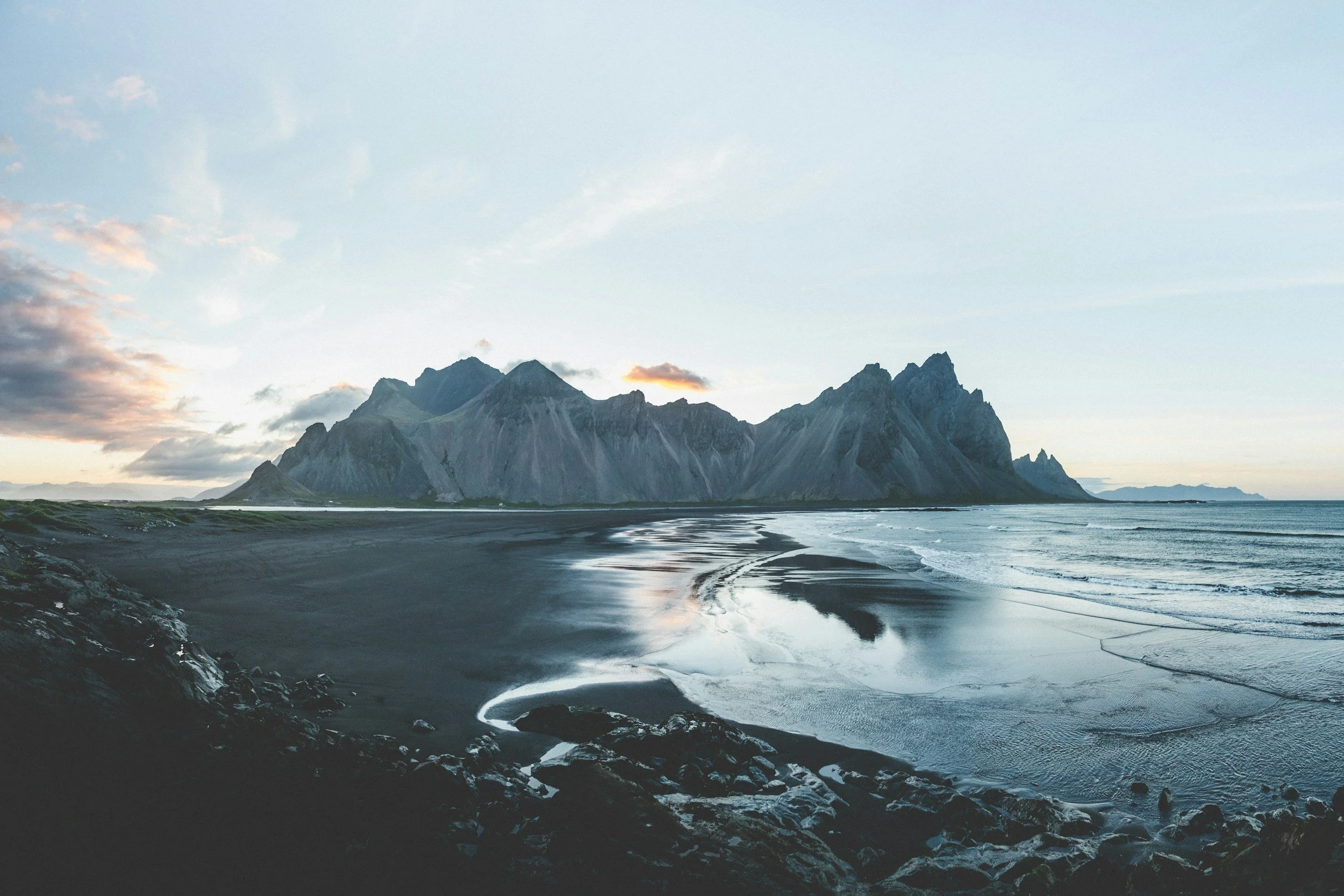
Iceland is a destination where the weather can change quickly — and sometimes several times in the same day. Sunshine can give way to rain, strong winds or mist within minutes, particularly when you're travelling between different parts of the country.
The answer isn't to pack your entire wardrobe. It's to pack intelligently, with layers that work together.
You'll spend time outdoors, often in exposed landscapes, but you'll also return to beautifully designed hotels, restaurants and Reykjavík's cafés. The aim is to be warm, dry and comfortable without feeling like you're dressed for an Arctic expedition.
Here are the things we'd make room for in your suitcase.
Start with layers
Rather than relying on one very warm coat, think in three layers.
A lightweight base layer sits next to your skin, followed by something insulating — such as a fleece, merino sweater or lightweight down jacket — with a waterproof and windproof shell over the top.
This gives you much more flexibility. You can remove a layer when you're walking or travelling in a warm vehicle, then add it again when you stop to admire a viewpoint or head out after dark.
Merino wool is particularly good for Iceland. It is warm without being bulky, manages moisture well and can be worn several times without needing to be washed, making it ideal for travelling light.
We'd suggest packing:
2–3 lightweight thermal or merino tops
1–2 insulating mid-layers
A warm fleece or merino sweater
A lightweight down or insulated jacket
Comfortable trousers or hiking trousers
One or two smarter outfits for evenings
Your outer layer matters most
If there's one piece of clothing worth investing in for Iceland, it's your waterproof shell.
This isn't the place for a jacket that's merely showerproof. Look for a genuinely waterproof, windproof jacket with a hood — ideally made with a reputable waterproof membrane such as GORE-TEX.
A good shell should be roomy enough to wear over your insulating layers and have a hood that stays put in strong wind.
A pair of waterproof trousers is also worth packing. They can be rolled into your day bag and pulled over your normal trousers when the weather turns, particularly around waterfalls or on longer walks.
You may not wear them every day. You'll be very glad to have them on the day you need them.
Footwear: don't compromise
This is probably the most important piece of practical advice we can give.
Leave fashion trainers and suede boots at home for your days exploring Iceland.
Even relatively gentle walks can take you across wet grass, muddy paths, loose volcanic rock and slippery surfaces. Around waterfalls, you can also be exposed to considerable spray.
For the majority of trips, we'd recommend a mid-height waterproof hiking boot with a GORE-TEX membrane and a proper hiking sole. Look for good grip, ankle support and a comfortable fit rather than simply choosing the heaviest or most technical boot available.
LOWA, Salomon, Scarpa, Hoka and La Sportiva all make excellent options.
If your itinerary is predominantly sightseeing with shorter walks, a waterproof hiking shoe can be enough. For more substantial hikes, a supportive mid-height boot is the safer choice.
And one golden rule: wear them in before you arrive. Iceland is not the place to discover that your new boots rub after three hours.
We'd also bring a second pair of comfortable shoes for Reykjavík, restaurants and evenings at your hotel. There's something particularly satisfying about taking off muddy hiking boots and putting on a dry pair of shoes before dinner.
Pack the right socks
Your socks are more important than they sound.
Merino or wool socks are our preference, particularly for days spent outside. They help regulate temperature and remain insulating even if they become slightly damp.
Pack enough to have a fresh pair each day, plus a couple of spares.
Avoid relying on cotton socks for hiking — once wet, they tend to stay wet and cold.
Don't forget your swimwear
This one catches people out.
Iceland's geothermal bathing culture means that a swimsuit deserves a permanent place in your suitcase, even if you're travelling in the colder months.
Whether you're visiting a geothermal lagoon, swimming pool or simply taking advantage of a hotel's hot tub, bathing outdoors while surrounded by Icelandic landscape is one of the country's great pleasures.
A small waterproof bag for carrying your wet swimwear afterwards is useful too.
A hat, gloves and sunglasses - even in summer
Don't judge what you'll need by the season alone.
Iceland's wind can make temperatures feel considerably colder than the forecast suggests, particularly when you're standing still outside. A warm hat and lightweight gloves take up very little room and can make a huge difference.
And don't leave your sunglasses behind.
Bright conditions, low-angle sunlight and reflections from water or snow can make them surprisingly useful, even when the temperature is low.
A buff or lightweight scarf is another excellent addition — small enough to live in your day bag and useful when the wind picks up.
Your day bag should be weatherproof
For excursions, you'll want a small backpack or day bag rather than carrying everything in your suitcase.
Ideally, choose one that is water-resistant or comes with a rain cover.
Inside, keep:
Waterproof jacket
Waterproof trousers
Spare socks
Hat and gloves
Water bottle
Sunglasses
Lip balm
Small personal essentials
Camera or phone
A lightweight dry bag or waterproof pouch is useful for protecting phones, cameras and other electronics if you're visiting waterfalls or caught in heavy rain.
Iceland is wet. Embrace it.
One of the easiest mistakes is packing for the Iceland you hope to photograph rather than the Iceland you're actually going to experience.
There may be blue skies and stillness. There may also be horizontal rain.
The trick is not to let either dictate your day.
Good waterproofs, sensible layers and proper footwear mean you can keep exploring whatever the forecast brings.
And there is a silver lining: some of Iceland's landscapes are at their most atmospheric in mist, rain and changing light.
Packing List
2–3 lightweight merino or thermal base layers
1–2 fleece or insulating mid-layers
1 warm sweater
1 lightweight down or insulated jacket
2–3 pairs of comfortable trousers
Waterproof trousers
Waterproof, windproof jacket with hood
Underwear
Merino/wool socks
Warm hat
Lightweight gloves
Buff or scarf
Footwear
Waterproof GORE-TEX hiking shoes or mid-height hiking boots
Comfortable second pair of shoes for evenings
Spare socks
For geothermal bathing
Swimsuit
Small waterproof bag for wet swimwear
Flip-flops or sandals if you prefer them around pools
For your day bag
Reusable water bottle
Sunglasses
Lip balm and moisturiser
Waterproof phone/camera pouch
Small backpack
Sunscreen
Portable charger
And finally...
Pack for layers, not bulk.
You don't need a huge suitcase full of heavy winter clothing. A well-chosen waterproof shell, insulating mid-layer, merino base layer and good footwear will take you a surprisingly long way.
Iceland rewards being prepared — because once you're warm and dry, you can forget about the weather and concentrate on what's outside the window.
