
Clothing on Safari
Packing for an African safari is often misunderstood. While many people expect constant heat, the reality is that temperatures vary significantly throughout the day. Early mornings and evenings — particularly on game drives — can feel surprisingly cold, while midday is often hot and dry. The key is to pack lightly, dress casually, and focus on versatility.
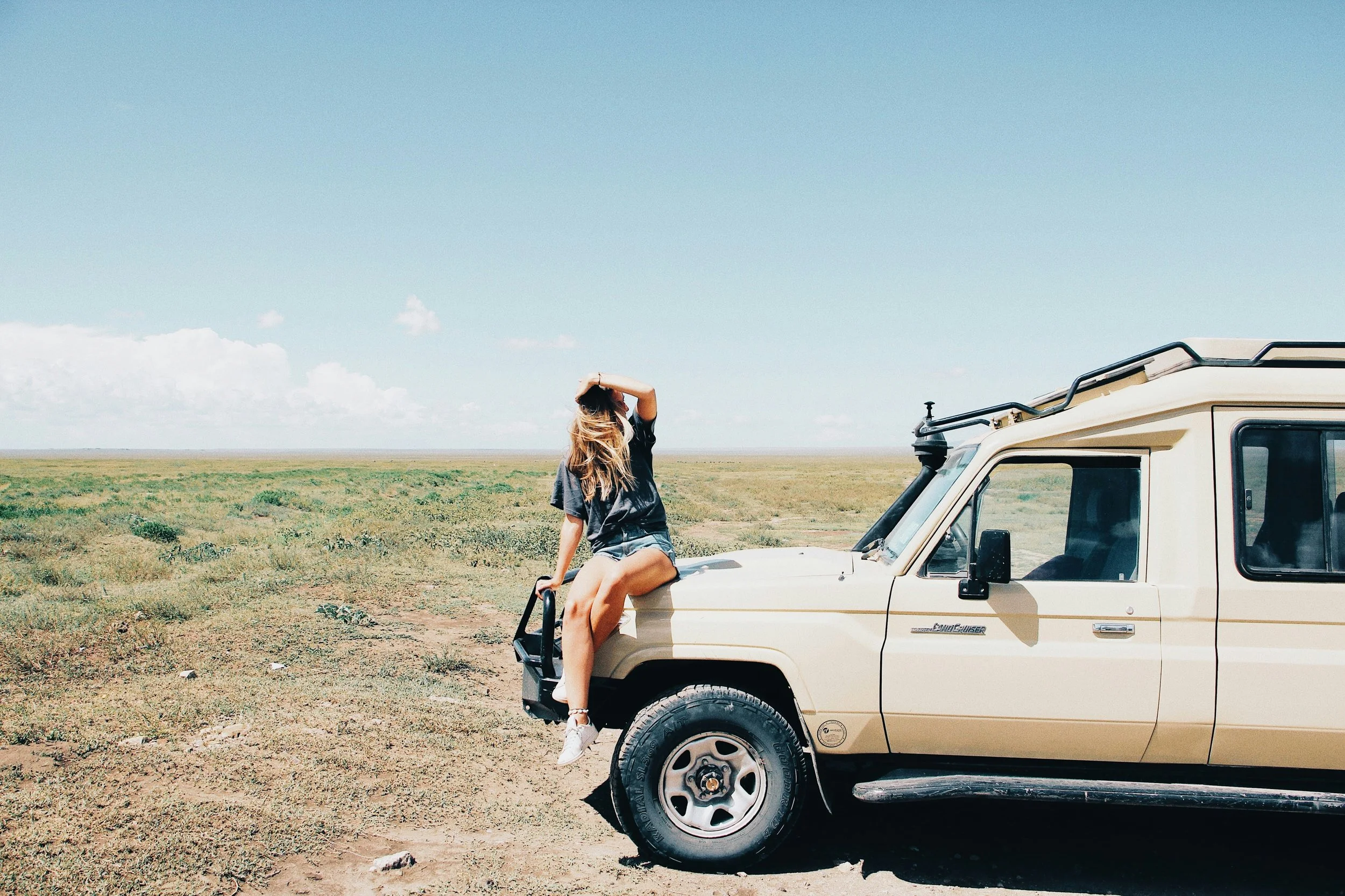
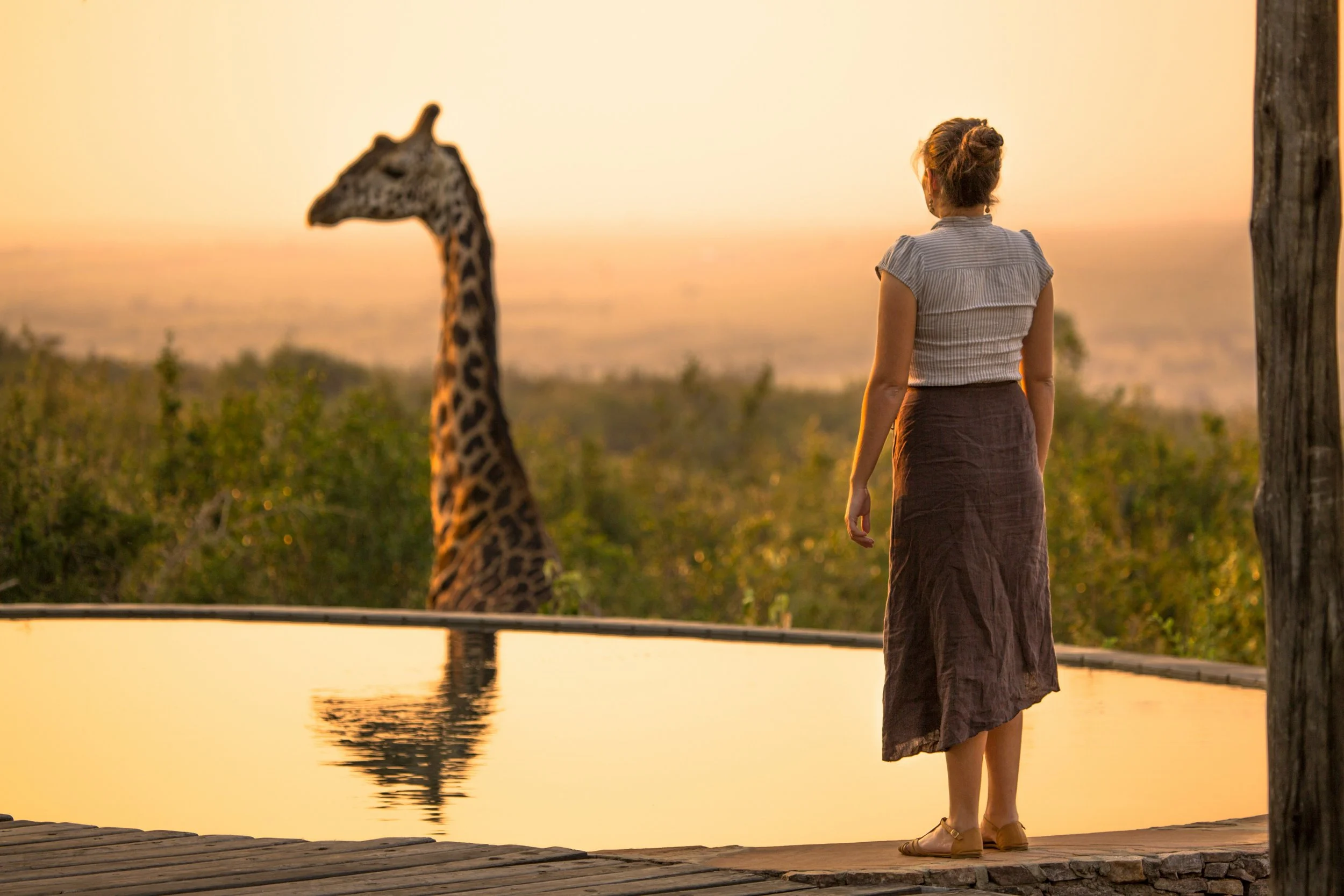
Clothing on safari is informal. Most lodges operate on a relaxed dress code, with no need for anything formal, although a slightly smarter outfit can be useful for evenings in higher-end camps.
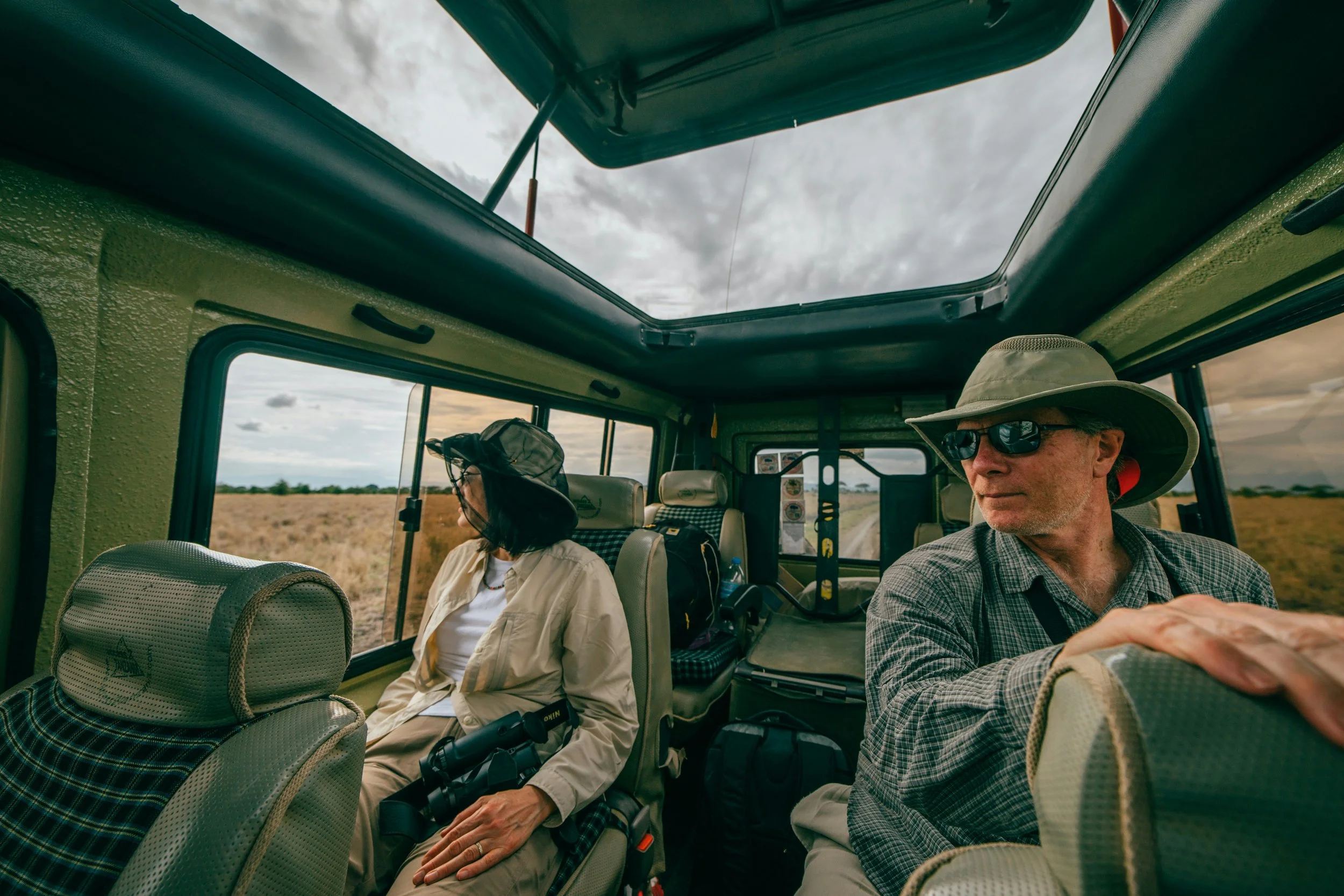
Neutral colours are strongly recommended. Shades such as khaki, olive, beige and brown work best in the bush and are far more practical than bright colours or stark whites. Dark blues and blacks are also best avoided in certain regions, as they can attract insects.
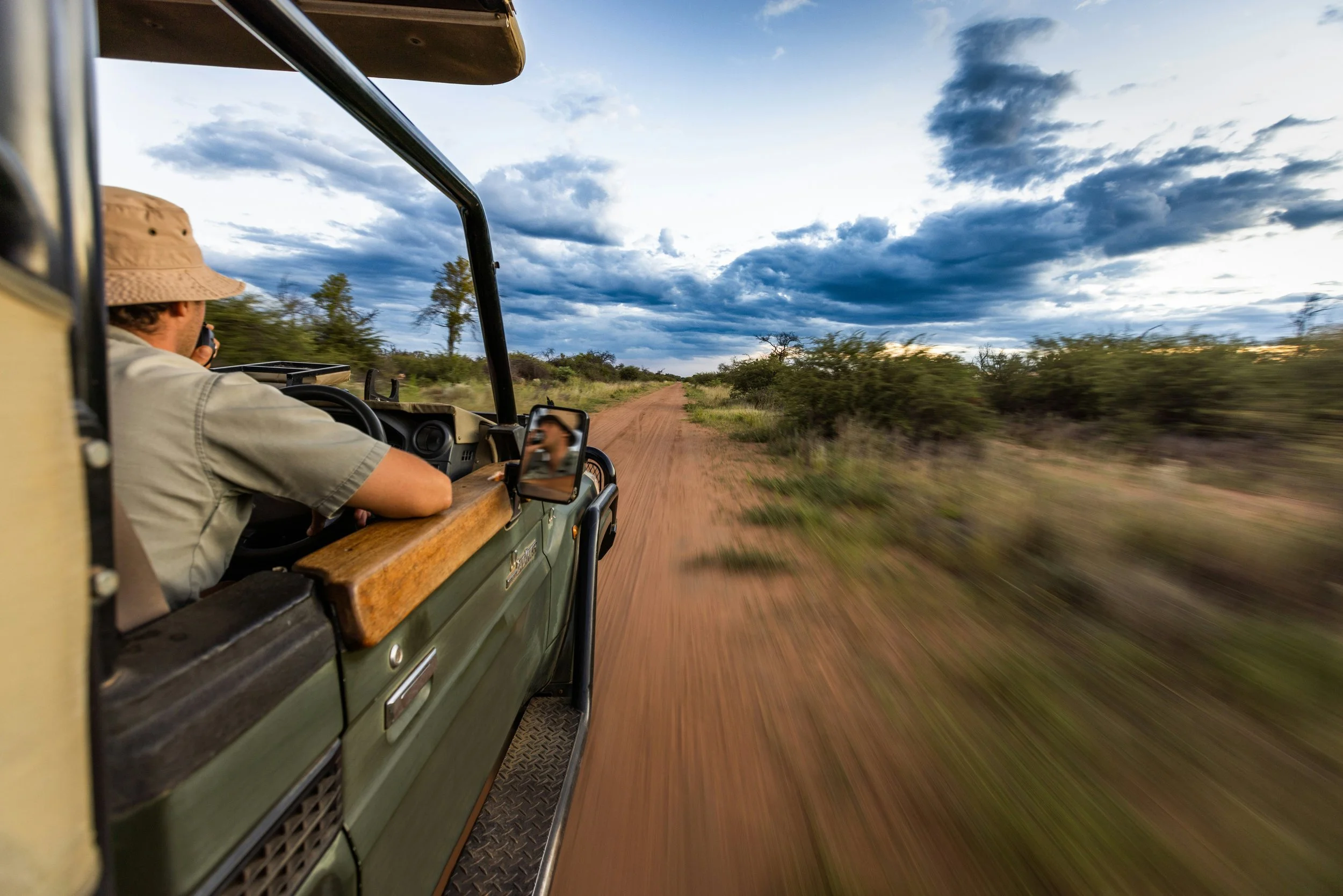
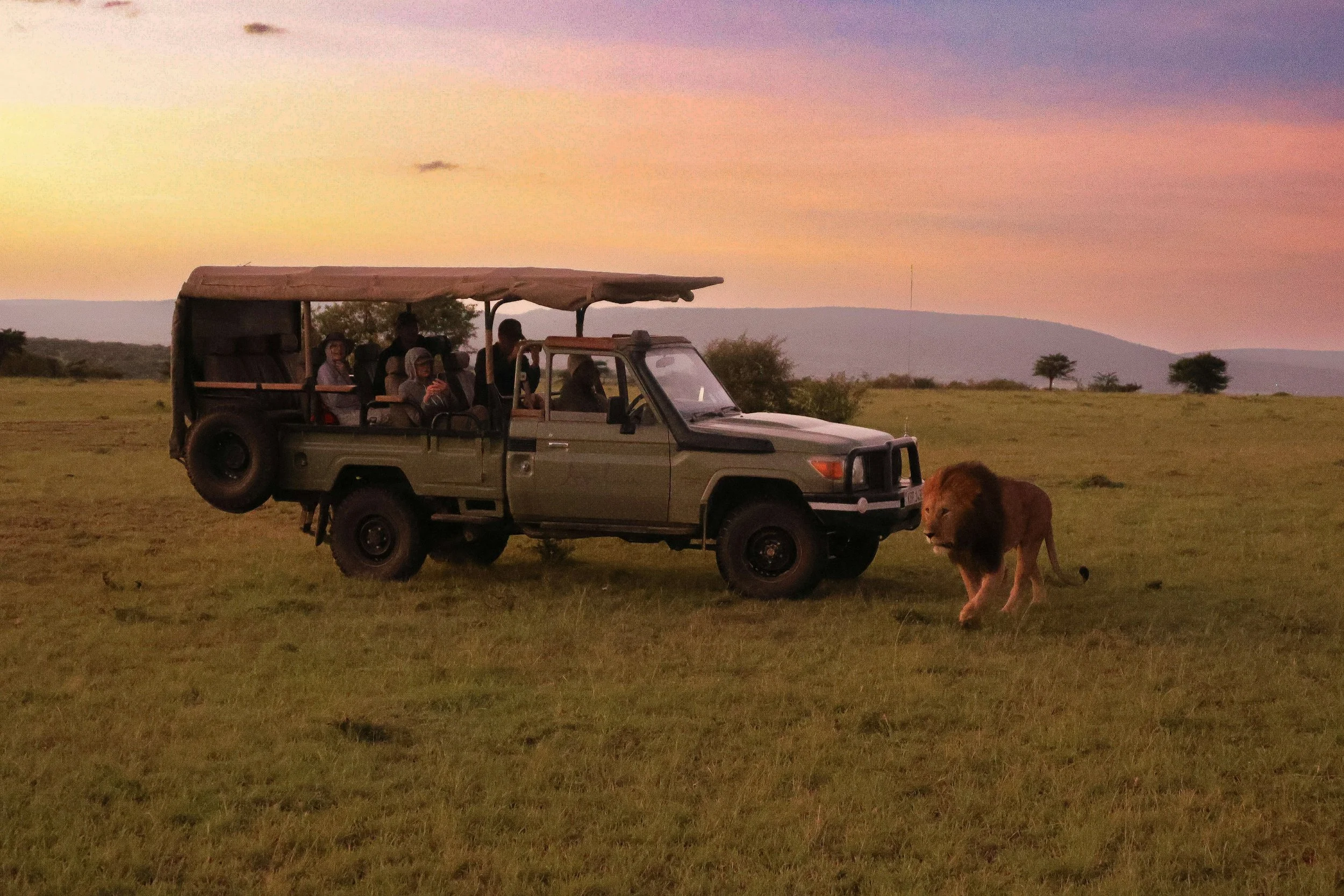
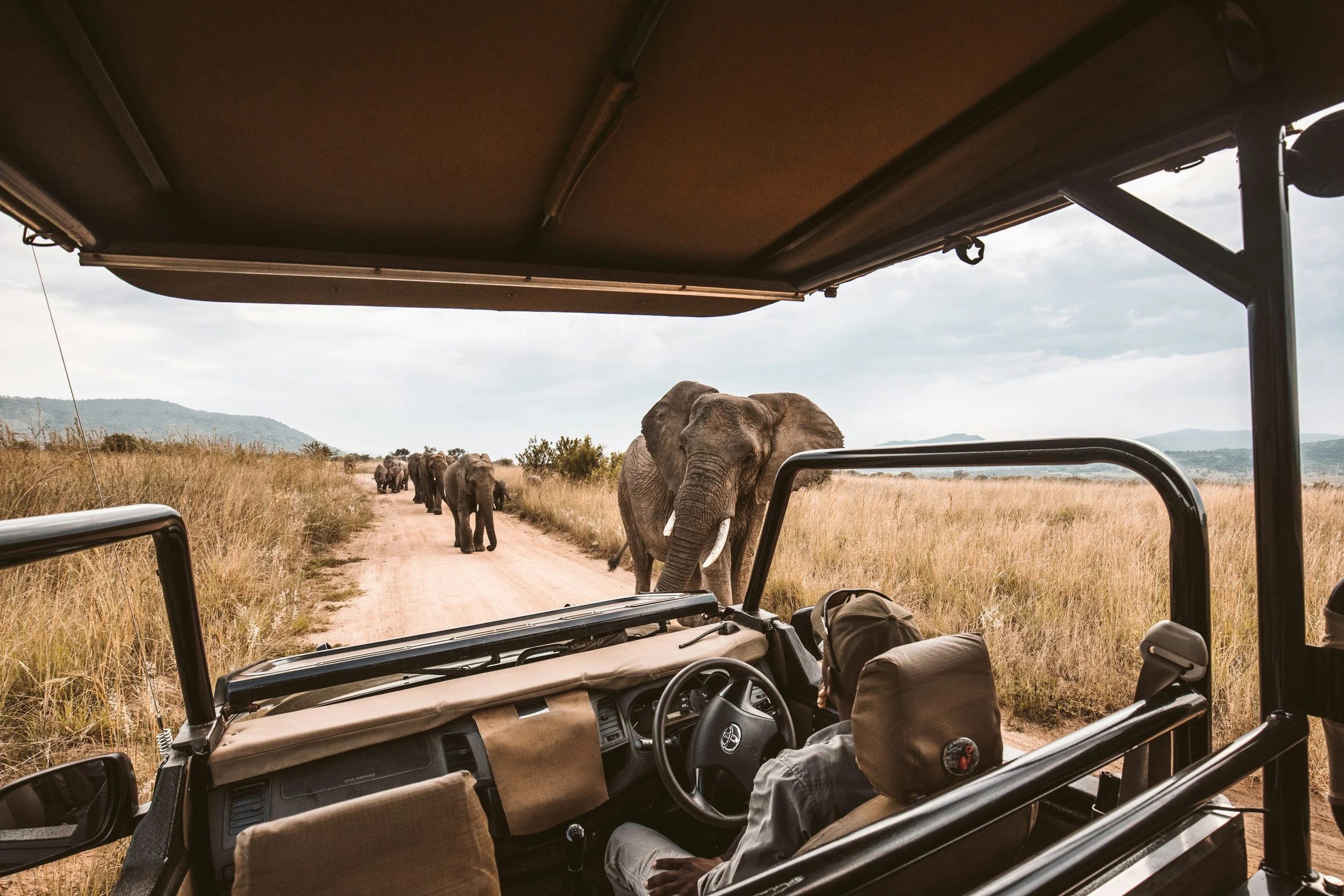
The most important consideration is layering. Early morning game drives usually begin before sunrise, often in open vehicles, where the combination of cool air and wind can make it feel much colder than expected. A fleece or warm jacket is essential, even in countries known for warm climates.
As the day warms up, lighter layers become more appropriate, so breathable shirts and lightweight trousers are ideal. You will typically change very little throughout the trip — and that is entirely normal.
Tops
Lightweight, breathable T-shirts – short-sleeved for daytime drives
Long-sleeve shirts – for sun and insect protection; light fabrics for breathability
Warm long layers – fleece, jumper, or insulated jacket for early morning and evening game drives
Lightweight jacket – windproof or water-resistant depending on the season
Optional dressier top – for evenings at higher-end lodges
Bottoms
Lightweight trousers or safari pants – breathable, quick-drying fabrics are best
Convertible pants – zip-off legs for versatility in changing temperatures
Shorts – useful for lodge time or hot afternoons
Leggings or base layers – optional for extra warmth on early morning drives
Footwear
Comfortable walking shoes or trainers – most drives and lodge activities are low-impact
Hiking boots – only necessary if planning extended walking safaris
Sandals or flip-flops – practical for use around camp
Accessories
Wide-brim hat – sun protection during daytime drives
Sunglasses – polarized lenses reduce glare and improve visibility
Light scarf or buff – can protect neck and face from sun, dust, or wind
Layering Considerations
Long warmer or base layers – optional for colder regions or winter morning safaris
Fleece or lightweight down jacket – essential for early mornings or evenings at camp when temperatures drop
Light gloves or beanie – useful in early morning drives for extra warmth or when on a safari at high altitude e.g. Ngorongoro Crater
Additional Practical Items
Swimwear – if your lodge has a pool
Casual lounge clothes – comfortable for relaxing at camp
Undergarments and socks – pack enough for a week or use lodge laundry services
Footwear
Footwear is often overthought when packing for safari. In reality, most time is spent in vehicles rather than walking long distances.
Comfortable walking shoes or trainers are more than sufficient for the majority of safaris. Heavy hiking boots are only necessary if you are specifically doing a walking safari. For time spent around camp, sandals or flip-flops are usually the most practical option.
The emphasis should be on comfort and simplicity rather than technical footwear.
Laundry
One of the biggest advantages of safari travel is that most lodges offer a laundry service complimentary. This means you can pack far less than you might expect and re-wear items throughout your trip. In practical terms, you need fewer clothes than you think. Please check with your CIRRCULAR team member prior to travel.
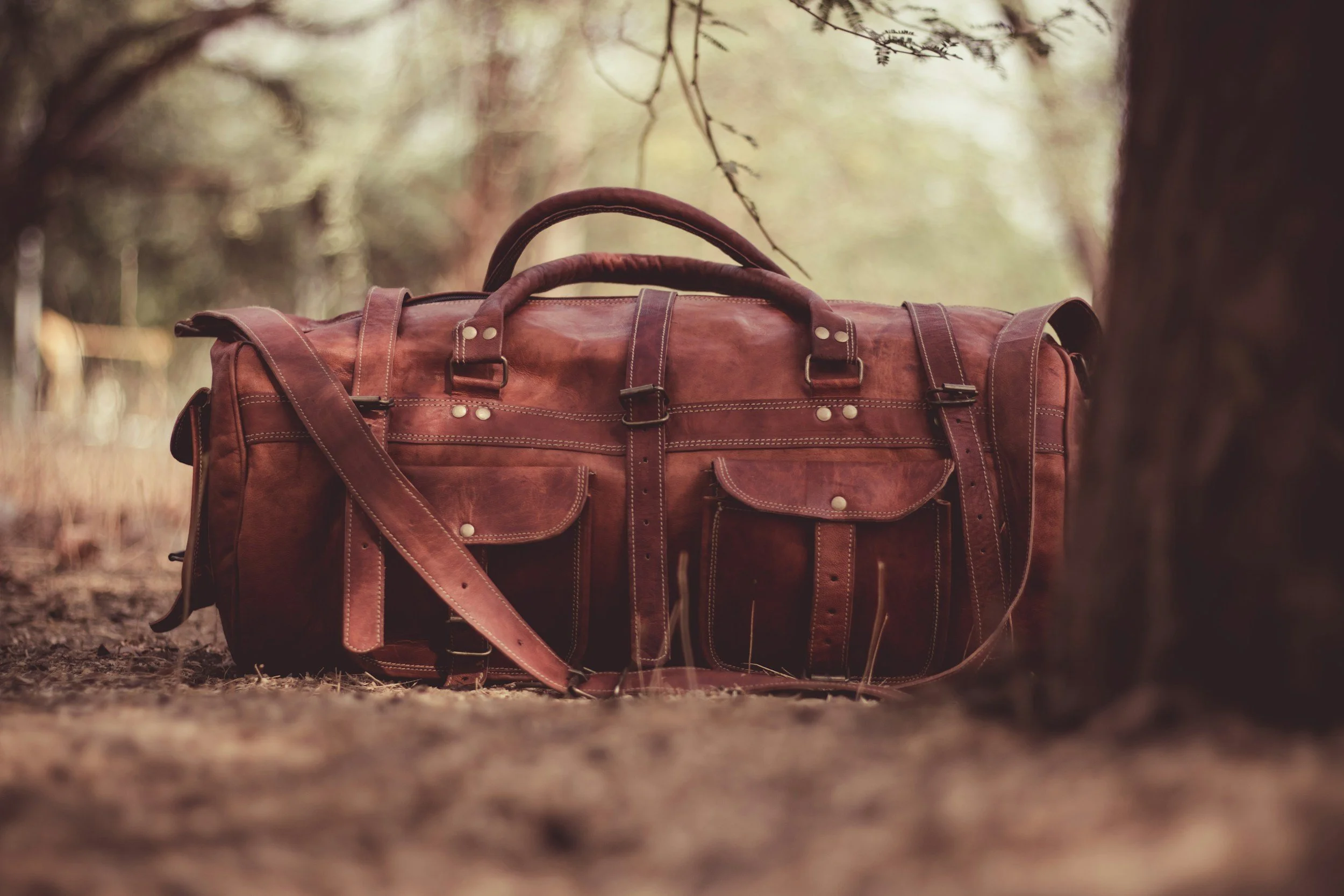
An example of the type of duffle bag sometimes used for safaris
Binoculars and Safari Equipment
Binoculars are one of the most useful items you can bring on safari. They allow you to fully appreciate wildlife at a distance, particularly birds and more elusive animals.
That said, many lodges do provide binoculars for guests to borrow. Availability can vary, and shared pairs are common, so bringing your own is still advisable if you want consistent access and better quality optics.
Other useful items include a small day bag, sunglasses, a hat, and a camera. Beyond that, it is best to keep things simple.
Cameras and Lenses
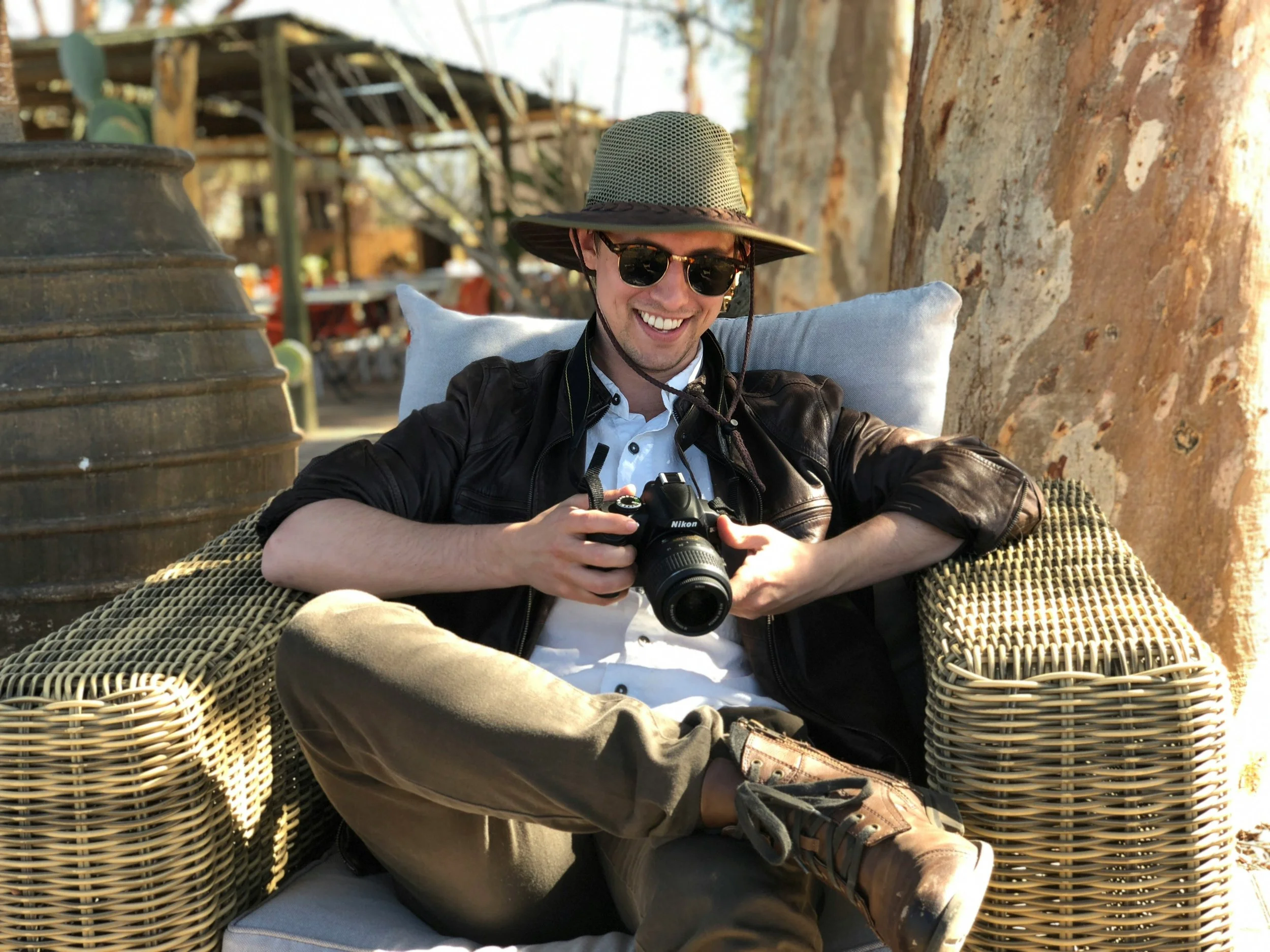
Photography is one of the most memorable aspects of any safari, and choosing the right equipment can make a big difference. While smartphones can capture decent images, a dedicated camera with a good zoom lens is strongly recommended if you want to document wildlife at a distance.
A DSLR or mirrorless camera with a telephoto lens between 200mm and 600mm is ideal for capturing birds, predators, and other wildlife without disturbing the animals. For those who prefer a lighter setup, a bridge camera or compact camera with a strong optical zoom can also deliver excellent results.
Extra memory cards and fully charged batteries are always a good idea as well as bringing a portable power bank or spare batteries ensures you won’t miss key moments.
Final Thoughts
Packing for safari is less about preparing for every scenario and more about understanding how safari life actually works. Days are structured, clothing is casual, and facilities are often better than expected.
If you focus on neutral clothing, light layers, and minimal luggage — while remembering that mornings can be cold — you will be well prepared for almost any safari in Africa.
